A Slow Morning, a Blooming Cactus and the Value of Moving at Your Own Pace
Story by Jeff Goins · 813 readers
A quiet morning ritual becomes a meditation on attention, natural rhythms and why meaningful work may begin with giving the day room to unfold.
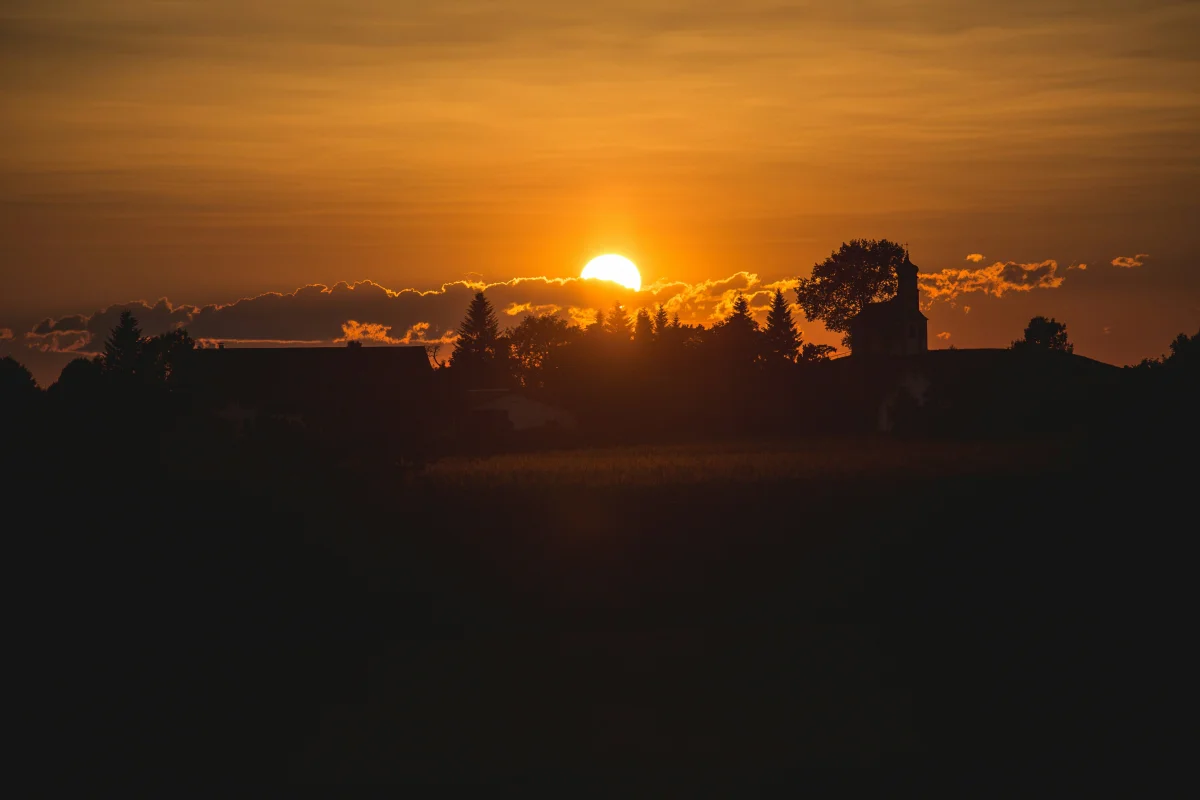
Taking time to wake up can feel like a small act of resistance. The day’s demands may already be waiting, but meeting them at full speed has a cost: we can rush into motion before we’ve had a chance to arrive in our own lives. A gentler morning, by contrast, offers space to notice what’s here and find a pace that feels true.
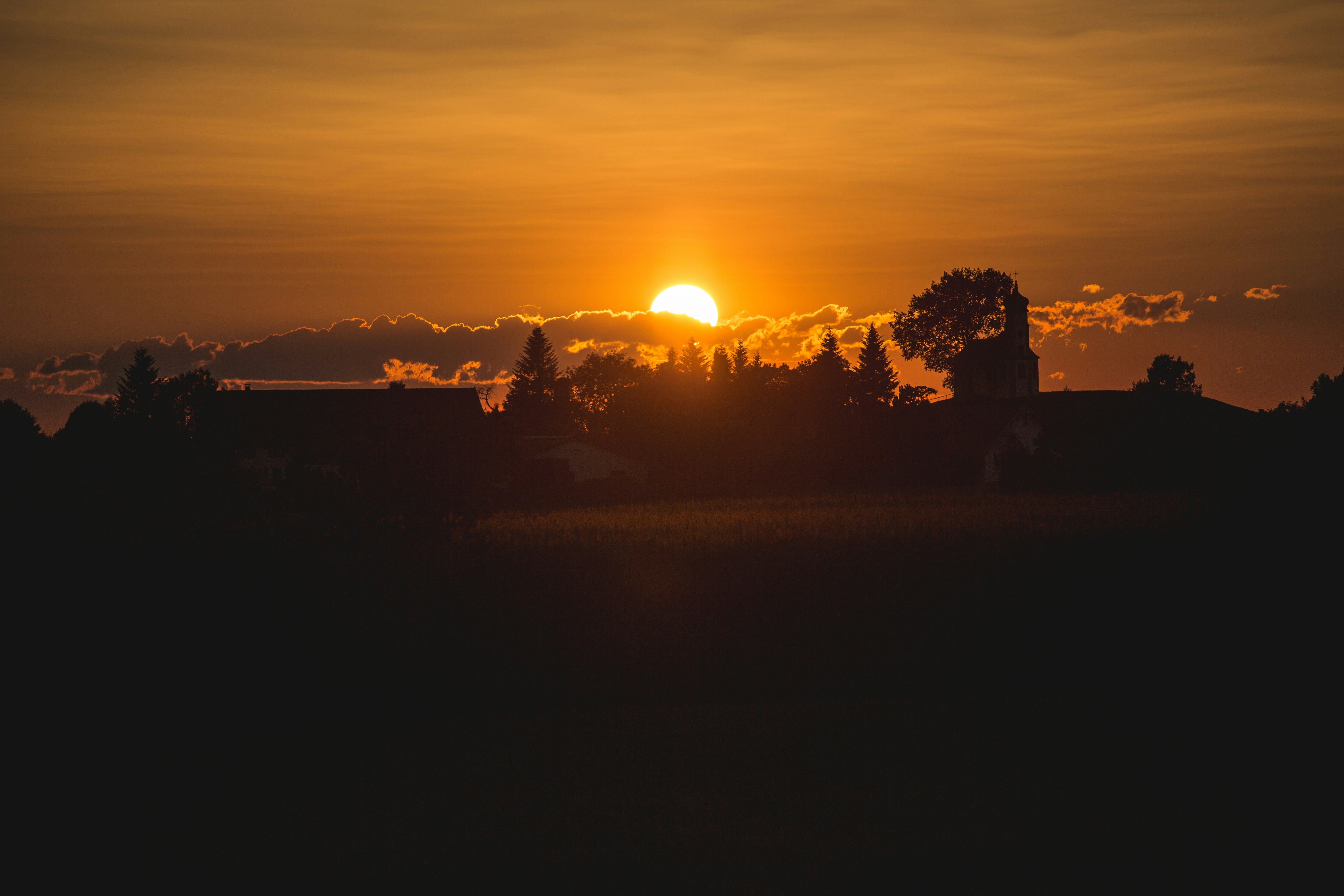
Morning has a kind of sanctity, though it’s easy to overlook. Birds greet the light with song; people often wake tired, preoccupied by responsibilities that seem to have claimed the day before it has begun. We push ourselves into action, then wonder why the hours feel like a struggle. There’s another way to begin: with attention, patience and a little room between sleep and the world’s demands.
That transition can’t always be hurried. Eyes adjust to the light. Breath and the senses return to focus. The weather reveals itself, and the body takes its time catching up with the mind. For a moment, the day is unfamiliar territory—not a repetition of yesterday, but an opening whose possibilities haven’t yet been decided.
There are ordinary rituals along the way: feet touching the floor, breakfast and coffee, perhaps a conversation with a spouse, a drive to take the children to school. Then comes the return to work, decisions and the question of what comes next. The writer’s instinct is to leave mornings as open as possible, wary of turning every hour into a fixed appointment.
Making room before work begins
Structure has its uses. Showing up to do something difficult or unwanted can take discipline, and a regular routine can help people keep their commitments. But a life made entirely of obligations feels like a poor bargain. The writer resists the idea that constant productivity is the natural measure of a day, especially when the work begins before there has been time to think, read or simply be.
For this writer, getting into the day can take hours—and sometimes longer. Walking, stretching and reading aren’t distractions from the work so much as ways of becoming ready to meet it. Beginning in a state of depletion and pushing through the next twelve or fourteen hours without stopping may look efficient, but it doesn’t feel like a humane way to live.
Nature offers a different model. It doesn’t hurry, and the writer insists that people are part of it, even when daily habits make that easy to forget. The thought comes into focus beside a cactus above the kitchen sink. One evening, a fuzzy bud extends from a thin branch, its bulb angled away from the plant. Watching it, the writer wonders whether a flower might open visibly, if only they kept their eyes on it long enough.
By the next day, the bud has become a pink flower, its pointed petals spread wide. It had been developing for weeks before that moment. The writer regrets not staying awake to see the bloom appear, but also considers another possibility: perhaps flowers open in privacy. Human change can be just as difficult to witness from the outside. It often happens quietly, while someone is still struggling to become what they are.
Trusting the pace of change
The cactus prompts a personal question: could a person, too, allow their nature to emerge without forcing the timing? A flower doesn’t demand growth on command when it isn’t ready. People, meanwhile, can push against their own limits, urged on by the idea that every moment must produce something useful. The writer sees harm in that constant acceleration: it can dull attention and leave little space to sense what the body is asking for.
In this view, some beliefs about virtue and character can encourage work that doesn’t feel honest. The label of laziness may make a person distrust the need to pause, while the promise of getting more done can keep them moving long after effort has become resentment. But nature doesn’t gorge itself on activity. The question is whether people are better served by recognizing their limits than by treating them as obstacles to defeat.
Hurry affects more than the body’s pace. The writer can’t recall a real conversation with someone who is rushing—not necessarily because that person is physically heading elsewhere, but because their attention has already left. Someone can seem still while their thoughts race from task to task. In that state, being in the same place doesn’t always mean meeting one another.
So the writer tries to keep mornings slow: listening to wind chimes and rustling leaves, watching a hummingbird defend its territory, sitting quietly without a phone. These hours can feel wasteful, particularly when the surrounding culture prizes constant motion. Yet time in the natural world, before turning toward human demands, brings a different sense of presence.
It also offers a different sense of time. Clocks measure minutes and seconds; the body marks the day in its own ways, through hunger, movement and the changing light. That rhythm can’t be escaped or bent to every plan, but it can be trusted.
The writer can’t make this practice happen every day, or so they admit. Still, when the morning does remain open, gratitude follows. Work that might have started hours earlier may benefit from a clearer mind and more considered effort, rather than simply a greater number of hours. The people around the writer may feel the difference, too.
That’s the quiet case for a slower start: not that every morning can be protected from demands, but that a day needn’t begin by surrendering to them. Pausing to notice the world, and to listen for one’s own pace, may be a better preparation for meaningful work than rushing to prove the day has been used.