LeeAnn Dominick’s Petting Zoo Animals Brings Baby Animals to a Tactile Board Book
Story by jilljemmett · 518 readers
Jill Jemmett praises Petting Zoo Animals for its realistic baby animals and textured pages, making it an inviting interactive read for young children.


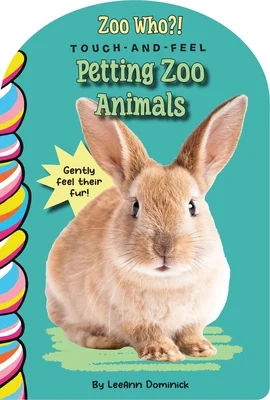
A tactile first look at animal books
A board book that gives little readers something to feel as well as see has an immediate appeal for shared reading. In Petting Zoo Animals, LeeAnn Dominick introduces baby animals through pages with textured pieces, inviting children to explore the illustrations with their hands. Reviewer Jill Jemmett describes the animals as cute and realistic, and calls the book a fun interactive read. The premise is modest, but it gives a young child a clear way to take part before they can follow a longer story.

That participation matters in a book designed for the youngest audience. A child can look, touch, and hear an adult name what’s on the page; each action offers a small reason to stay with the book. The review doesn’t claim that the textures teach a particular concept or that the book follows a narrative arc. Its appeal rests on the direct encounter between a familiar animal image and a surface a child can explore.
Title: Petting Zoo Animals
Author: LeeAnn Dominick
Genre: Board Book
Publisher: Taffy Tales
Format: Board book
Release Date: March 3, 2026
Reviewer’s rating: ★★★★★

A hands-on introduction to baby animals
The book presents a range of young creatures, including bunnies, chicks and a tortoise. Each animal has a page with a textured element meant to suggest how its body feels to touch. That simple format gives the child an active part in the reading: instead of only looking at each animal, they can explore the surface as an additional point of interest.
For an adult reading aloud, the page design can create an easy rhythm: identify the animal, pause for a closer look, then invite the child to touch the textured area. This kind of exchange can make even a short book feel social, since the adult has room to follow the child’s attention rather than move through the pages at a fixed pace. The textures also give children a concrete detail to respond to, even if they don’t yet have words for what they notice.
Jemmett’s response centers on the combination of tactile interaction and lifelike animal illustrations. She calls the book “so cute and realistic” and singles out the variety of animals as part of its charm. Her five-star rating reflects her enthusiasm for this particular title; it’s a personal review, rather than a claim that every young reader will respond to it in the same way.
The format is especially well suited to brief, close-up reading sessions. A caregiver can pause on each page, name the animal, invite a child to touch the textured piece, and talk about what they notice. The source doesn’t give details about the individual textures or the book’s page count, so there’s no basis to say exactly how each tactile surface relates to an animal. What it does establish is the book’s central invitation: look at the baby animals and feel the page as you go.
Who might enjoy it
Petting Zoo Animals looks like a natural pick for families seeking a sturdy-format book with an interactive element. Its animal subjects offer familiar starting points for young children, while the tactile feature gives them a reason to linger over each page. Readers who enjoy books that make a shared story time participatory may find that the format encourages conversation and exploration, even when the reading itself is short.
It may also suit adults choosing a small gift for a child who is drawn to animals or touch-and-feel books. The review doesn’t describe a narrative, educational program or additional activities, so expectations are best kept to what’s presented: baby animals, textured page elements and a friendly, realistic visual approach. That focus is part of the appeal. The book’s premise is easy to grasp, and children can engage with it without needing to follow a complicated plot.
For a caregiver, the uncomplicated structure leaves space to adapt the experience. One child might want to name every animal; another might return to a favorite illustration or spend longer exploring its texture. If you’re choosing books for a very young reader, that flexibility can be useful: the adult can keep the exchange brief or build it into a longer conversation without asking the book to do more than it promises.
What the format offers—and what it doesn’t promise
Touch-and-feel books occupy a useful place among early board books because they give children more than one way to approach a page. A textured element can prompt a question, a gesture or simply a pause. But the presence of a tactile feature doesn’t, by itself, tell us how varied or durable those elements are, or how much space the book gives each animal. Those details aren’t included in the review information available here.
That’s the part to keep in view when weighing Jemmett’s enthusiastic response. Her praise speaks to the charm of the illustrations and the fun of interacting with the pages; it doesn’t offer a detailed account of construction or a comparison with other touch-and-feel titles. The numbers here are underwhelming as a guide to the full experience: the review supplies a rating and a handful of impressions, but little production detail. Still, it gives readers a clear sense of the book’s central pleasure.
Review details and the book’s appeal
Jemmett’s review is based on a copy supplied by Taffy Tales. She highlights the interactive design and the charm of the animal illustrations, describing the result as a fun board book. For readers weighing up whether it belongs on a young child’s shelf, the most useful takeaway is that the tactile pieces are central to the experience, not an incidental detail.
Jill Jemmett lives in Toronto, Canada, and has studied English, Creative Writing and Publishing. She created Jill’s Book Blog, where she publishes book coverage, including reviews. Her assessment places Petting Zoo Animals among the inviting options for adults looking for an uncomplicated, hands-on animal book to share with a young reader.
That’s a narrow but legible pitch: familiar baby animals, realistic illustrations and a reason to reach toward the page. It won’t answer every question a buyer might have about the book’s construction, and the available review doesn’t pretend to. For families looking for a tactile starting point for animal-themed reading, the combination sounds appealing. A small, shared moment of discovery.