Lance Oppenheim Faces Footage Allegations Over Early New York Times Short
Story by Josip Kraljik · 573 readers
Katie Carter alleges Oppenheim used sensitive footage without permission in a New York Times short. The claims remain unproven as his latest film expands.
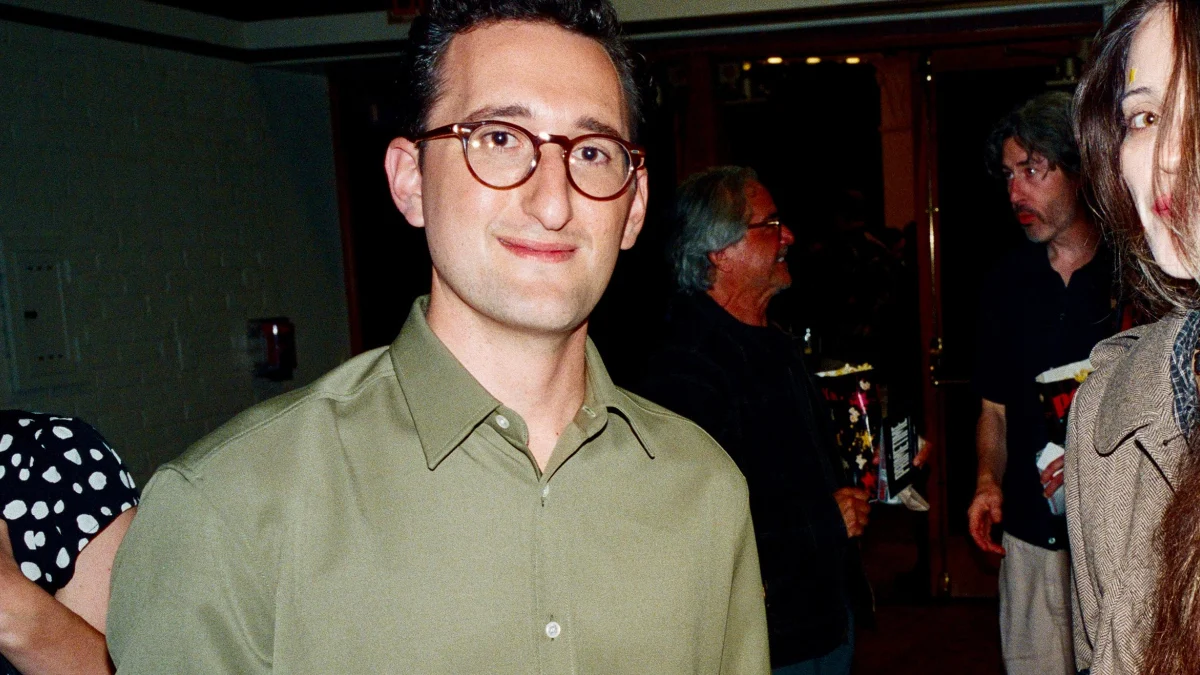
Questions about consent and sensitive footage now surround Lance Oppenheim’s early work for The New York Times, just as his latest documentary is drawing a larger audience. Filmmaker Katie Carter alleges that Oppenheim used footage from videos she made for a client without her permission in the short documentary No Jail Time: The Movie. The claims have not been proven, and the account available so far represents Carter’s side of the dispute.
The short, which runs about nine minutes, was part of the Times’ Op-Docs series. It looks at sentencing mitigation videos: films made to give a judge a fuller picture of a person facing sentencing, often through the accounts of family members and other people close to them. Oppenheim’s film profiled attorney Doug Passon, who helps legal teams use video in sentencing proceedings.
For Carter, the issue is not simply that a filmmaker covered an unusual subject. She says footage she had produced for a client was used in Oppenheim’s documentary and sold to Op-Docs without her consent. The distinction matters because mitigation videos are created for a narrow, high-stakes audience and purpose. Their subjects and contributors may share personal stories in the expectation that the material will be considered in a sentencing process, rather than circulated as part of a separate documentary.
Carter said the videos in question were made for clients represented by the Federal Public Defender who faced federal charges. She recalled arriving at her office on December 5, 2017, and seeing an Orleans Parish Juvenile Court judge she had filmed for a client appear in The New York Times. Carter also alleged that her mentor lost his job in the aftermath. She said the client remains in prison and does not know who Oppenheim is.
Those details make the consent question unusually pointed. A judge who appears in footage may be identifiable, while the people whose stories shaped the original video may have little awareness of how that material could later be reused. The source account does not establish what permissions were sought, what rights accompanied the footage, or what Oppenheim and the Times knew about its origins. Those unanswered points are central to understanding the dispute, and they should not be filled in by assumption.
RELATED:
‘You Can See Everything’ Director Explains Billy Evans Shower Scene
There is a broader tension in the form itself. As Directors Notes observed when the short was released, some prosecutors object to sentencing videos because character witnesses can be difficult to cross-examine. Whatever view one takes of that criticism, these films are built for a particular decision-maker. Showing them to a wider audience changes their context, and can raise fresh questions about the expectations of the people filmed.
The current account says it is not yet clear whether Oppenheim or The New York Times has publicly responded. Until more information is available, Carter’s allegations should be treated as allegations. The reported circumstances invite scrutiny, but they do not by themselves settle what happened or establish responsibility.
The timing gives the story added weight. Oppenheim has had a prominent year: he released Primetime, his narrative feature debut for A24, and co-directed You Can See Everything with Nathan Fielder. The nearly three-hour documentary about Elizabeth Holmes opened to $15 million on 855 screens and later topped the Monday box office, ahead of Street Fighter. It is nominated for Best Documentary Feature at the Critics’ Choice Documentary Awards, while Fielder and Oppenheim are also nominated for Best Director.
Oppenheim’s relationship with The New York Times goes back to his student years. He directed three short documentaries acquired by the paper’s Op-Docs series. His feature debut, Some Kind of Heaven, was produced by Darren Aronofsky and The New York Times as one of the paper’s first feature-length productions. The present claims therefore touch an early chapter in the career that has led to his current visibility.
Debate about his documentary methods has surfaced before. Some critics of Spermworld, his 2024 FX and Hulu documentary, felt that it treated its subjects as curiosities rather than meeting them with enough empathy. Other viewers praised the film for withholding judgment. That divided response offers context for how audiences may approach the new allegations, but it does not resolve them.
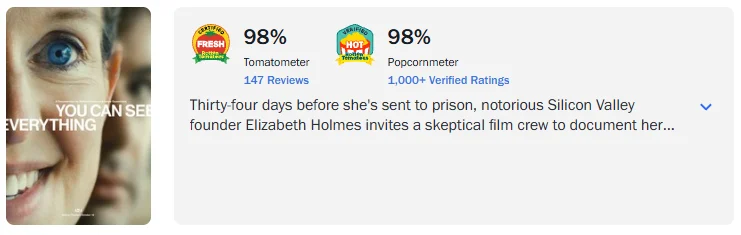
You Can See Everything has also prompted discussion of documentary ethics. The Washington Post published a roundtable in which reporters considered questions of truth after watching the film, which follows Holmes in the weeks before she began her 11-year prison sentence. With the documentary set to expand nationwide on October 23, Oppenheim’s work is reaching more viewers as scrutiny of his earlier short intensifies.
For documentary makers, the case points to a practical question: when footage created for a sensitive, limited purpose enters a new film, how clearly have the people involved understood and agreed to that change? The answer depends on facts that remain unavailable here. Any response from Oppenheim or the Times, along with further detail about how the footage was obtained and used, will help audiences assess the claims and the responsibilities involved.