Mary Louise Kelly on the Vienna Dog Parks Behind <em>Dogs In Coats</em>
Story by Lauri Fortino · 658 readers
Mary Louise Kelly explains how Vienna’s dog parks, her teaching career and 400 real dogs shaped a playful introduction to early addition.

Dogs In Coats brings together two things Mary Louise Kelly has long wanted children to enjoy: dogs and mathematics. The picture book uses photographs of 400 real dogs to help young readers practise addition, with 160 dogs wearing coats and 240 without. For Kelly, the idea grew from years in the classroom and daily life with dogs in Vienna, where she has lived for nineteen years.
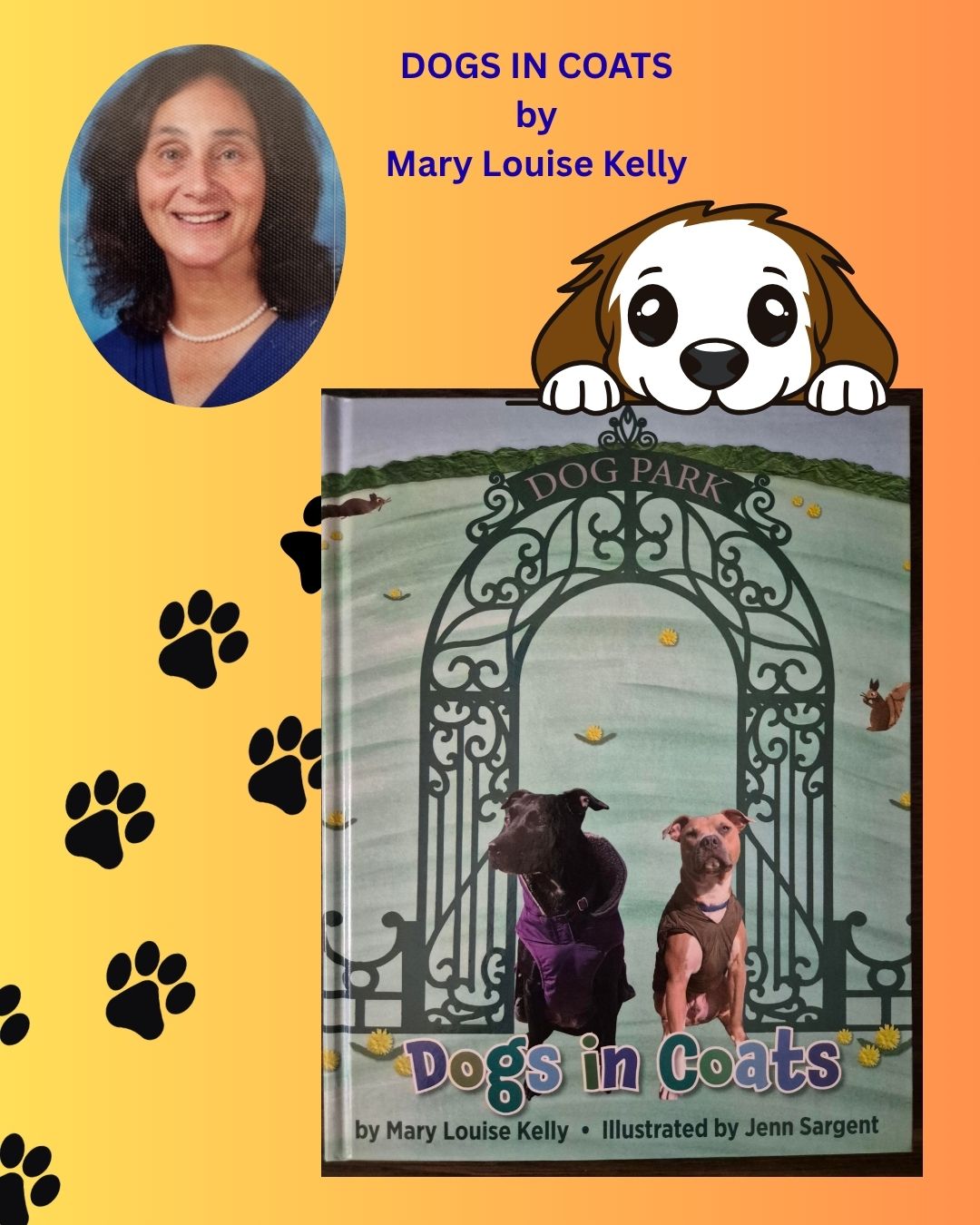
Kelly’s route to the book began with her Sheltie, Lydia. The family moved to Vienna when Lydia was two, and the dog quickly took to her new home. Regular visits to the city’s dog parks gave Lydia room to run and play, while giving Kelly a close view of the dogs and people who shared those spaces. Those parks became the setting for Dogs In Coats.
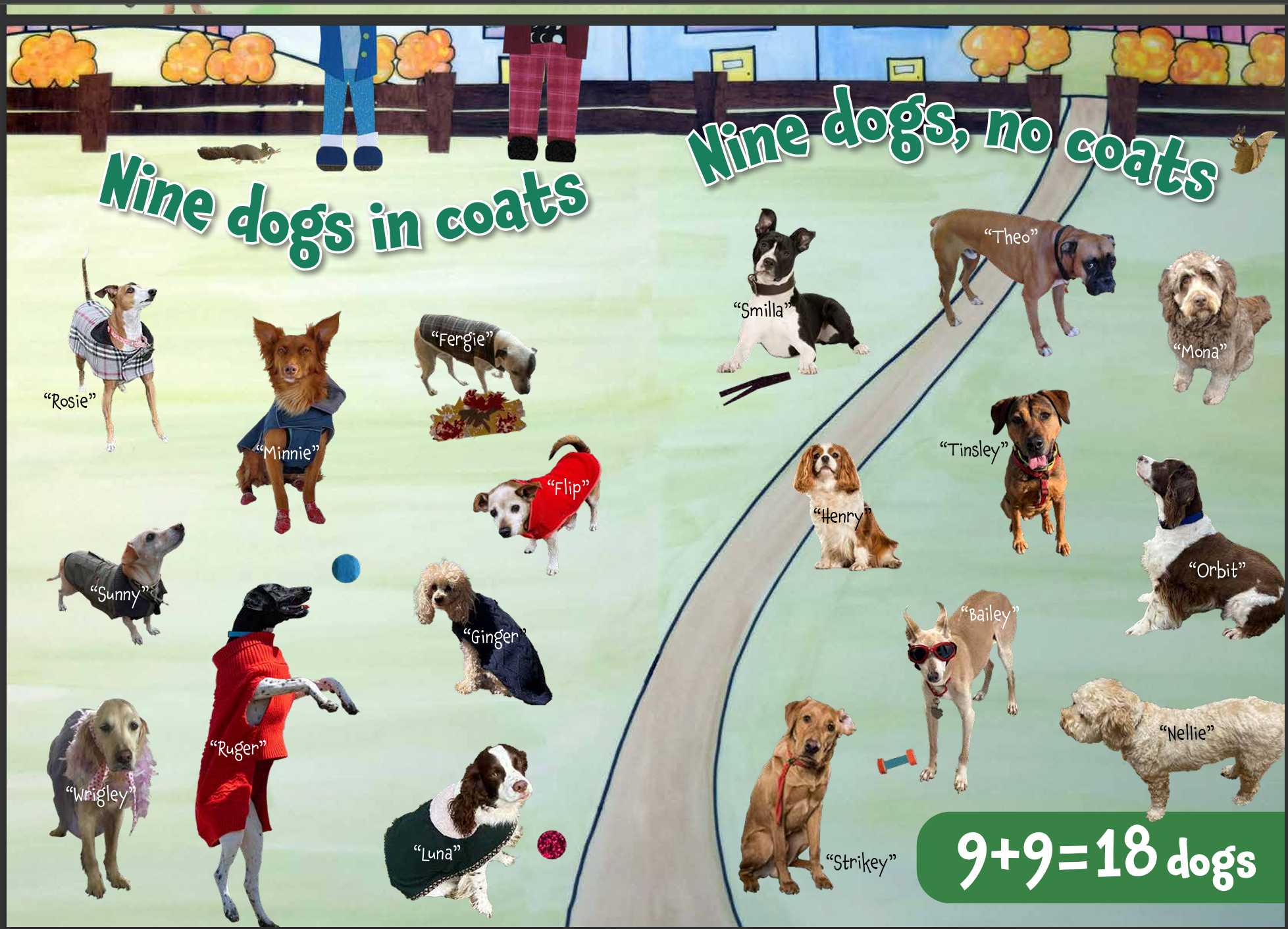
Each page takes place in a different dog park, with the scenes changing across the seasons. The choice to show people only from the waist down is deliberate: Kelly wanted readers to look at the world from a dog’s height. That visual perspective also keeps the dogs at the centre of the page, where young readers can look closely, count and compare.
Making early maths visible
Kelly spent forty-three years as an elementary educator, and her approach to the book reflects a belief she carried into her teaching: children learn through taking part, not simply by memorizing material. Her thinking was shaped by Maria Montessori, Jean Piaget and Howard Gardner. She also learned about Gardner’s work on Multiple Intelligences firsthand while teaching at The Howard Gardner School in Pennsylvania.
That background informs the book’s hands-on premise. Rather than asking children to approach addition as a set of abstract numerals, Dogs In Coats gives them groups of dogs to observe. Readers can count the animals in coats, count those without, and combine the groups. The images offer a concrete starting point for talking through the sums, while the familiar, appealing subject gives children something engaging to return to.
Kelly developed her interest in making mathematics visible while teaching five-year-old Austrian children who were also learning English as a second language. The class marked each school day by counting together, using ones, twos, fives and tens. As the children began to notice patterns, Kelly could introduce addition facts in a way that connected to what they had already explored.
Dogs offered a natural bridge between attention and learning. Children notice them, talk about them and remember them, Kelly observed. Using dogs in groups let her turn that enthusiasm into a visual lesson: the children could see the quantities and the addition happening, rather than encountering numbers on their own.
Four years of dog photographs
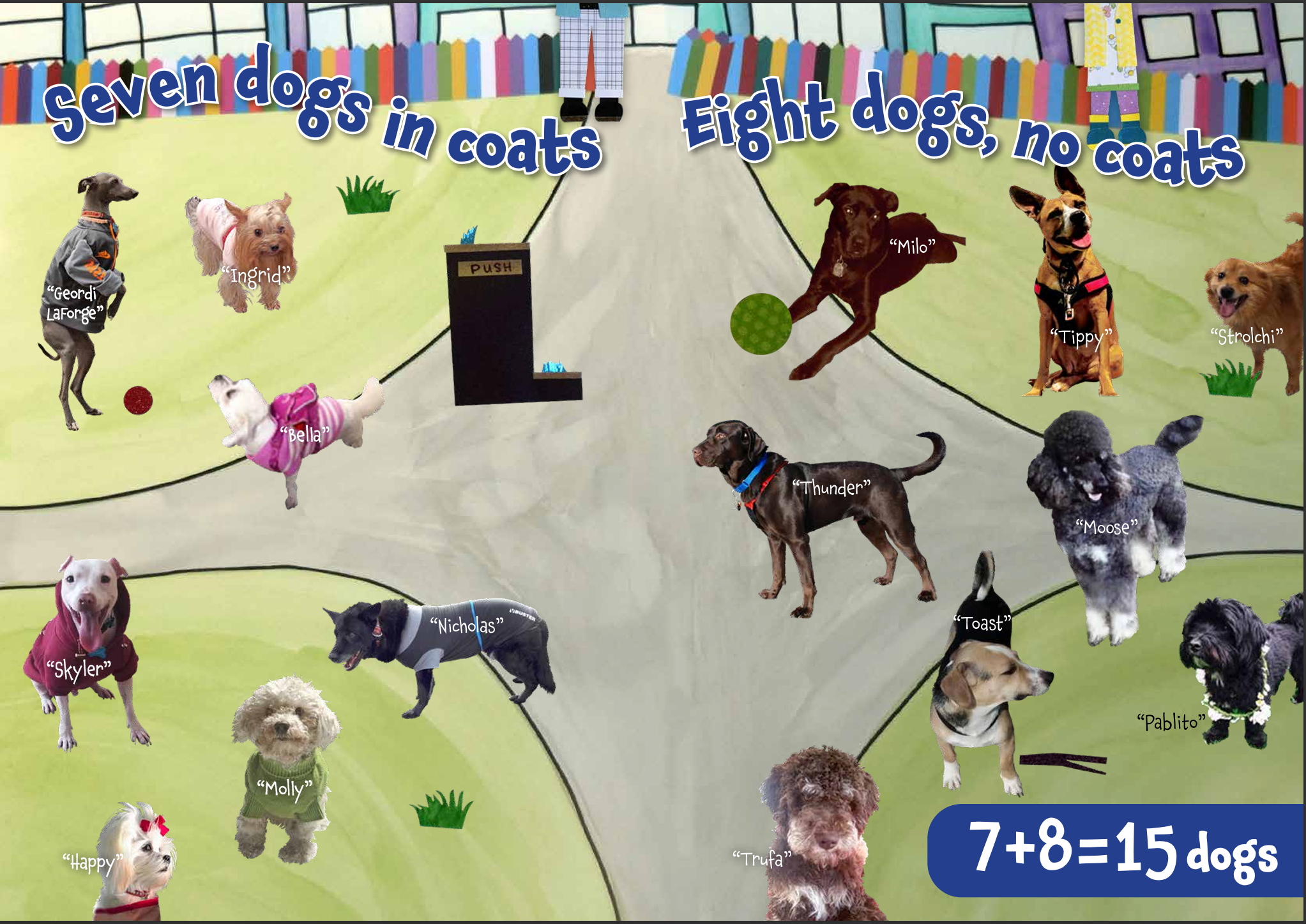
Building the book took four years. Kelly photographed dogs during her travels around Europe and the United States, asking their owners for permission to include the animals. The Vienna Animal Shelter also contributed photographs. The resulting collection features 400 dogs: 160 wearing coats and 240 without them.
That scale gives children plenty to look at, but the photographs also carry a personal history for Kelly. She says each one recalls the dogs and people she met while working on the project. The book’s playful counting activity therefore grew out of real encounters, gathered over time and across places, rather than a collection of invented characters.
Painter Jenn Sargent’s backgrounds add variety to the pages, complementing the photographs and the seasonal park settings. Together, the visual elements support the book’s central invitation: look carefully, find the dogs, and work out how the groups add up. Its intended readers are children ages 5–7, while families, educators and homeschoolers may also find it useful as a shared read or a starting point for counting together.
Kelly describes Dogs In Coats as a meeting point for curiosity, storytelling, joyful learning and the happiness animals can bring to children’s lives. Her measure of success is personal rather than numerical: she hopes a child will close the book feeling more confident about dogs and mathematics. The combination of real animals and approachable sums makes the book’s purpose clear without making learning feel like a drill.
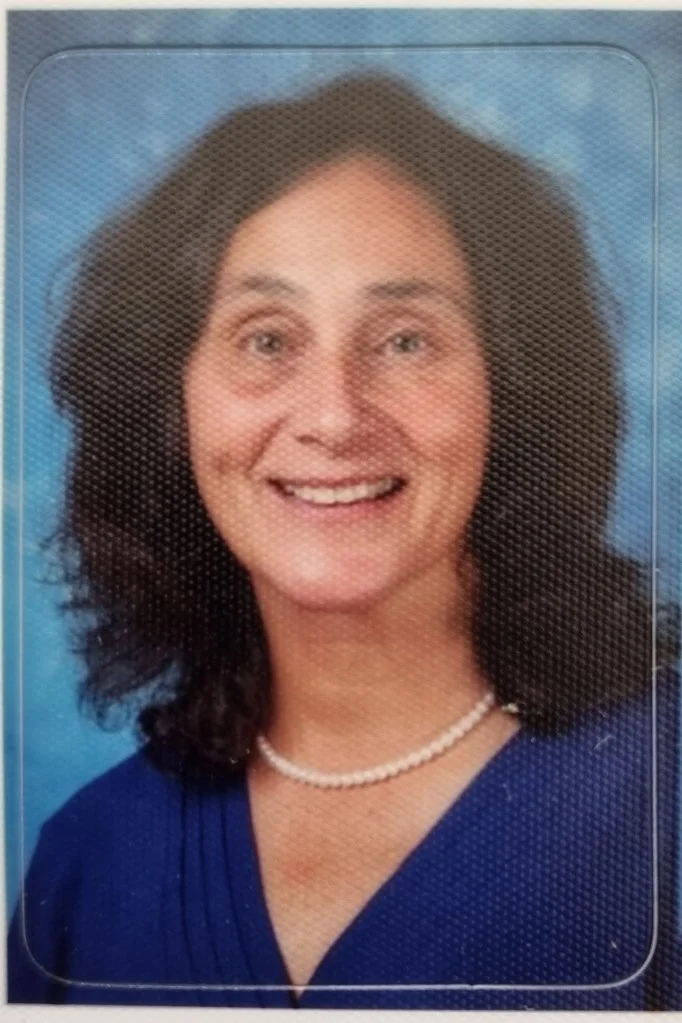
Mary Louise Kelly is a retired elementary educator whose teaching career spans more than four decades across Pennsylvania, Ecuador and Vienna, Austria. She continues to share her interest in joyful learning through children’s books, classroom visits and author presentations.
About Dogs In Coats
Written for ages 5–7, Dogs In Coats combines real dog photography with early addition concepts. Its changing park scenes and large cast of named dogs give young readers opportunities to count, compare and notice details as they read. The book’s format may suit children who are drawn to animals and adults looking for a playful way to practise foundational maths.
More information about Mary Louise Kelly and the book is available at: