Why ‘Clayface’ Leaves Batman Off Screen in Matt Hagen’s Gotham Story
Story by Arthur S. Poe · 438 readers
‘Clayface’ keeps Batman out of Matt Hagen’s tragedy, letting the character’s transformation carry the film from its opening to its final image.
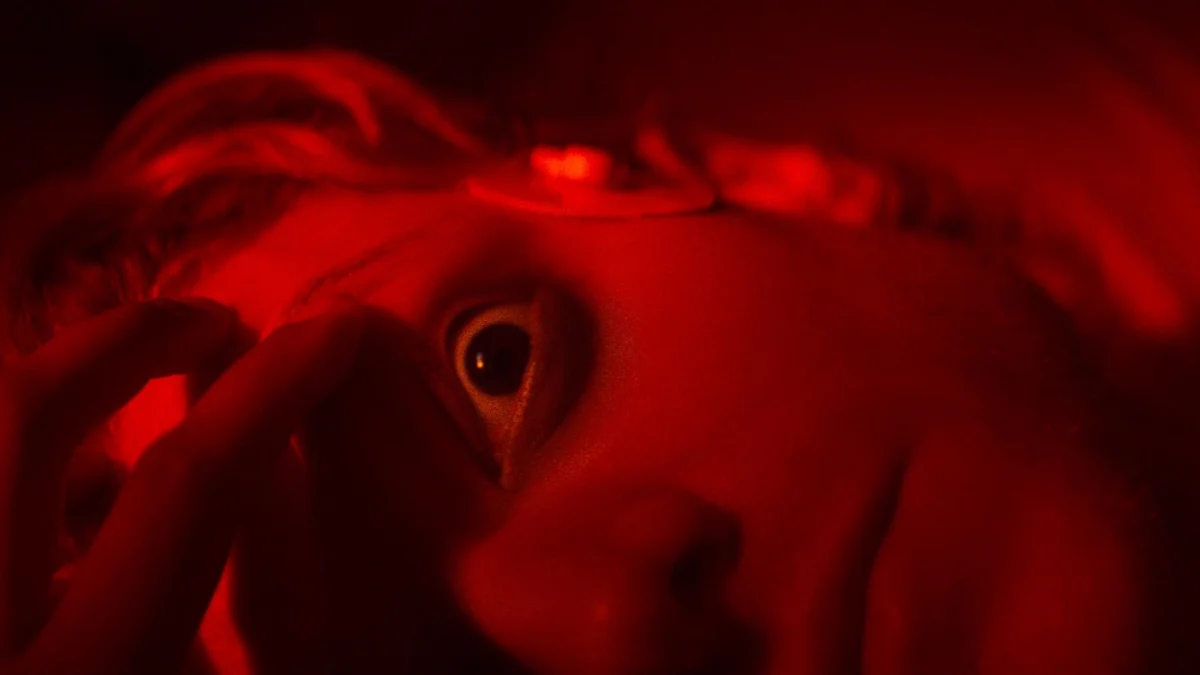
‘Clayface’ makes a deliberate choice to keep Gotham’s most famous protector outside the frame. The film includes no Batman cameo, no mention of the Caped Crusader and no direct setup for a meeting between him and Matt Hagen. That restraint leaves the story to focus on Hagen’s transformation into the shapeshifting villain.
The absence may surprise viewers who expect a Batman story whenever Gotham appears. But director James Watkins has described the film as belonging to Clayface and Hagen. A brief appearance by Batman might have connected the movie to a larger world, yet it would also have shifted attention from the character at its center.
Gotham Without Batman
Although the film takes place in Gotham, it keeps references to the city’s broader mythology sparse. Looper reports that there are no teases of Clayface encountering other Gotham villains and no name drop of Arkham Asylum. The movie doesn’t use those familiar touchstones to widen its scope.
The Wayne Community Centre provides one small connection to the Wayne name. Even there, Batman goes unmentioned. The location is the closest the film comes to acknowledging the family, and the scene doesn’t turn that detail into a wink or a promise of a future appearance.
Before release, test screening reports had indicated that Batman probably wouldn’t appear, though Watkins had not ruled it out. His description of the project was direct: “The story is Clayface’s story, it’s Matt Hagen’s story.” That focus is reflected in what made the final cut. The city supplies the setting; Hagen’s changing identity supplies the drama.
The choice also avoids making a cameo carry more weight than the film can support. In a story centered on one character’s transformation, even a short appearance by Batman could redirect the audience toward their eventual conflict. ‘Clayface’ instead asks viewers to stay with Hagen’s experience and the consequences of his change.
Why a Cameo Didn’t Fit
Watkins has since explained that inserting Batman simply for recognition would have felt wrong. He said he didn’t want the film to be “cute or cheap or tricksy.” There are references and Easter eggs, he noted, but the approach stops short of a guest appearance designed to surprise the audience.
There was a practical complication, too: the DCU version of Batman had not been cast. Bringing the character into ‘Clayface’ would have required a stand-in or an actor borrowed for the scene. Either option might have drawn attention to the production decision, especially in a film aiming for a grounded tone.
Earlier casting speculation included a report suggesting DC may have cast Tom Brittney as Batman. The same report argued that a tight production schedule made an appearance unlikely. The finished film confirms that expectation, though it offers no on-screen explanation for the casting question.
Robert Pattinson’s Batman was not a likely alternative. Naomi Ackie said the team joked about asking Pattinson to make a small appearance, but he was busy filming ‘The Batman Part II’ in Liverpool while ‘Clayface’ was shooting. His version belongs to another Gotham story, and the film doesn’t try to connect the two through a cameo.
The Ending Gets the Last Word
There’s no mid-credits or post-credits scene, either. Viewers can leave when the credits begin without missing a final character reveal or a teaser for what comes next.
That choice fits the different approaches seen in the DCU so far. ‘Superman’ included a brief, humorous credits moment, while ‘Supergirl’ skipped one. Together, those examples suggest that a credits scene isn’t a fixed requirement for every film.
For Watkins, the final image helped settle the question. It shows Hagen fully transformed into Clayface’s final form. The movie then closes on his scream, leaving the audience with the character’s fate as the last impression. A Batman tease after that moment could have redirected attention toward a future encounter just as the film’s own tragedy reached its endpoint.
Batman Is Present in the Wider DCU
Keeping Batman off screen doesn’t mean the character is absent from the DCU. DC Studios co-CEO Peter Safran confirmed that Batman is active during the events of ‘Clayface’; the film simply doesn’t show him. That distinction allows the story to take place in a Gotham where Batman exists while keeping Hagen’s arc in the foreground.
The character has already appeared in animated form. Batman was shown in silhouette in ‘Creature Commandos’, and James Gunn confirmed that the figure was the DCU’s Batman. The silhouette kept his appearance hidden because a final costume wasn’t ready. Clayface also appeared in the series, voiced by Alan Tudyk.
A future confrontation remains an open possibility, though ‘Clayface’ doesn’t hint at one. Looper argues that Batman will eventually have to face this version of the character. Clayface’s ability to take another person’s appearance could make him a particularly difficult opponent for a detective, but the film leaves that conflict for another story.
For now, ‘Clayface’ stands on its own as a tragedy about Matt Hagen, with the final transformation carrying more weight than any tease of a larger franchise. The choice gives the character room to define the film before Gotham’s wider stories take over.