2027 Forest of Reading French-Language Nominees: Peuplier, Mélèze and Tamarac
Story by Unknown · 967 readers
The 2027 French-language nominees span read-aloud picture books, shorter chapter books and longer fiction, with 27 titles across three programs.

The 2027 Forest of Reading® nominees bring 27 French-language titles into three programs designed for different reading stages. For librarians, educators and families, the lists offer a practical way to find books by reading format and complexity, while giving young readers a range of authors, illustrators and publishers to explore. The Ontario Library Association has published the final nominee listing.
The programs step from picture books suited to shared reading through to chapter books with longer text and more demanding vocabulary. That structure can help adults choose a starting point, but the titles also invite browsing across categories: a child may be ready for one kind of book in a familiar subject and another in a new one. The nominations name each book’s creator and publisher, making the lists useful for readers looking to follow an author or discover a press.

Le prix Peuplier: books made to share
Le prix Peuplier recognizes French-language picture books with less text and simpler subject matter, a format well suited to reading aloud. Its 12 nominees bring together animal subjects, community and everyday experiences, with both established and emerging creative voices represented in the credits.

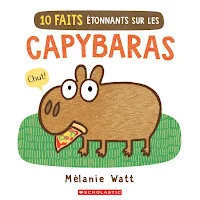
10 faits étonnants sur les capybaras — written and illustrated by Mélanie Watt; Scholastic.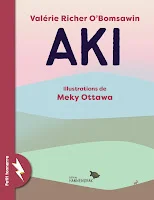
AKI — written by Valérie Richer O'Bomsawin, illustrated by Meky Ottawa; Éditions Hannenorak.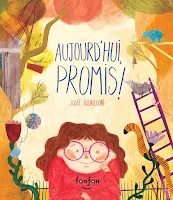
Aujourd’hui, promis! — written and illustrated by Josée Bisaillon; Scholastic.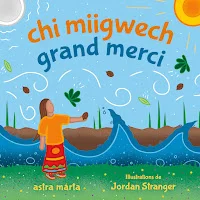
Chi miigwech, grand merci — written by astra márta, illustrated by Jordan Stranger; Orca Book Publishers.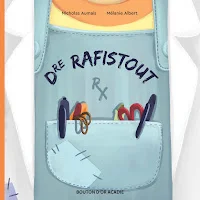
Dre Rafistout — written by Nicholas Aumais, illustrated by Mélanie Albert; Bouton d’Or Acadie.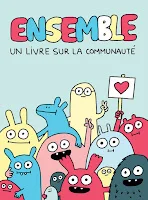
Ensemble: Un livre sur la communauté — written and illustrated by Elise Gravel; Scholastic.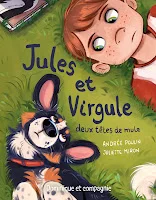
Jules et Virgule, deux têtes de mule — written by Andrée Poulin, illustrated by Juliette Miron; Dominique et compagnie.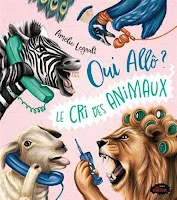
Oui, allô? Le cri des animaux — written and illustrated by Amélie Legault; Éditions Les Malins.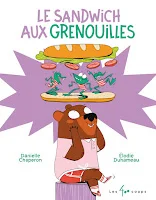
Le sandwich aux grenouilles — written by Danielle Chaperon, illustrated by Élodie Duhameau; Les 400 coups.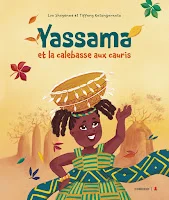
Yassama et la calebasse aux cauris — written by Lua Shayenne, illustrated by Tiffany Ratongaranto; Prise de parole.


The list’s range of credited creators is one reason this category may work well for shared discovery: readers can move between books led by text, image or a pairing of both. The titles and credits provide a reliable starting point for selecting a read-aloud; the source listing gives no plot descriptions, so readers will need to consult the books themselves to learn more about each story.
Le prix Mélèze: a bridge to longer reading
Le prix Mélèze includes shorter French-language chapter books of up to 100 pages, as well as more mature picture books. Larger type, illustrations, simpler vocabulary and less complex verb tenses mark the program’s reading profile. Its 12 nominees offer several entry points for children gaining confidence with sustained text, including series titles and books with illustrated formats.

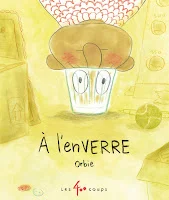
À l'enVerre — written and illustrated by Orbie; Les 400 coups.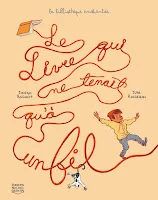
Le livre qui ne tenait qu’à un fil (La bibliothèque enchantée #2) — written by Jocelyn Boisvert, illustrated by Julie Rocheleau; Éditions Michel Quintin.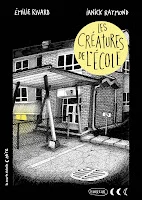
Les créatures de l'école — written by Émilie Rivard, illustrated by Ianick Raymond; La courte échelle.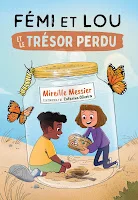
Fémi et Lou et le trésor perdu — written by Mireille Messier, illustrated by Catarina Oliveira; Orca Book Publishers.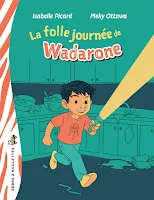
La folle journée de Wadarone — written by Isabelle Picard, illustrated by Meky Ottawa; Bayard Canada.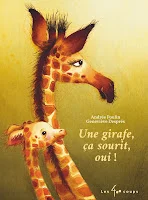
Une girafe, ça sourit, oui! — written by Andrée Poulin, illustrated by Geneviève Després; Les 400 coups.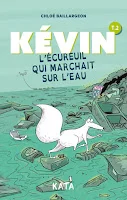
L'écureuil qui marchait sur l'eau! (Kévin #2) — written and illustrated by Chloé Baillargeon; KATA.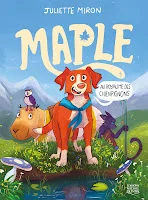
Au royaume des chienpignons (Maple #1) — written and illustrated by Juliette Miron; Éditions Michel Quintin.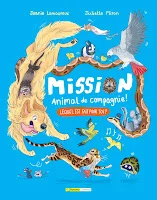
Mission animal de compagnie! Lequel est fait pour toi? — written by Joanie Lamoureux, illustrated by Juliette Miron; Bayard Canada.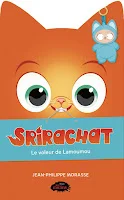
Srirachat: Le voleur de Lamoumou — written and illustrated by Jean-Philippe Morasse; Éditions Les Malins.


Series entries offer a particularly clear route into the list: Le livre qui ne tenait qu’à un fil is the second book in La bibliothèque enchantée, while L'écureuil qui marchait sur l'eau! is marked Kévin #2 and Au royaume des chienpignons begins Maple as #1. For readers who enjoy returning to familiar characters, those labels help identify where a title sits in a sequence. The other entries give readers a chance to start with a standalone book.
Le prix Tamarac: longer chapter books
Le prix Tamarac is aimed at French-language chapter books between 100 and 250 pages. Compared with the shorter Mélèze selections, these books have smaller text, few or no illustrations, and more complex vocabulary and verb tenses. Its 10 nominees include fiction, nonfiction and titles whose subjects are signalled directly in their names, giving readers several ways to choose a longer work.

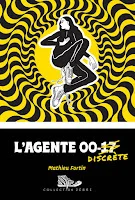
L'agente 00-discrète — written by Mathieu Fortin, illustrated by Kuizin Studio Inc.; Bayard Canada.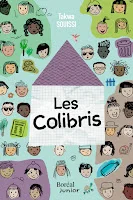
Les colibris — written by Takwa Souissi; Les Éditions du Boréal.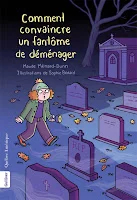
Comment convaincre un fantôme de déménager — written by Maude Ménard-Dunn, illustrated by Sophie Bédard; Québec Amérique.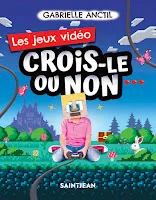
Crois-le ou non: Les jeux vidéo — written by Gabrielle Anctil; Saint-Jean Éditeur.
De l'or dans les fissures — written and illustrated by Katerine Martin; Éditions de l’Isatis.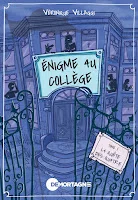
La quête des quatre (Énigme au collège #1) — written by Véronique Villaggi; Éditions de Mortagne.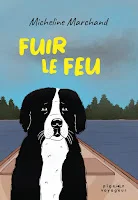
Fuir le feu — written by Micheline Marchand; Les Éditions David.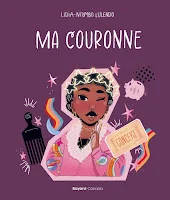
Ma couronne — written and illustrated by Lidia-Ntombo Lulendo; Bayard Canada.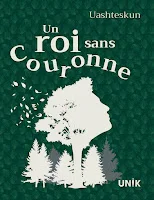
Un roi sans couronne — written by Uashteskun; Héritage jeunesse.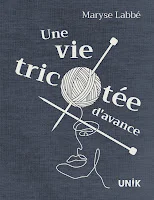
Une vie tricotée d’avance — written by Maryse Labbé; Héritage jeunesse.


Within this longer-reading group, the source identifies a first installment of Énigme au collège, giving readers a clear series starting point. The nonfiction title Crois-le ou non: Les jeux vidéo also signals a subject-led option for readers drawn to real-world topics. The remaining titles are listed with their creators and publishers, but without descriptions; the book itself is the next step for anyone weighing subject, tone and suitability.
Six other programs
The French-language selections sit alongside six additional Forest of Reading programs: Blue Spruce, Silver Birch Express, Silver Birch Fiction, Yellow Cedar, Red Maple and White Pine. The links below lead to nominee information for those lists, extending the 2027 selection across more reading programs.


Together, Peuplier, Mélèze and Tamarac make the French-language nominees easy to approach by format: picture books for shared reading, shorter works for readers building stamina, and longer chapter books for those ready to spend more time with a story. The 2027 lists give readers and book selectors a broad set of titles to investigate, with the credited creators and publishers offering a useful guide for what to pick up next.