How Reading Physical Books Can Make Room for a Slower Life
Story by Jeff Goins · 467 readers
After stepping away from constant alerts, one reader found that books rebuilt his attention and made a slower, more deliberate life feel possible.
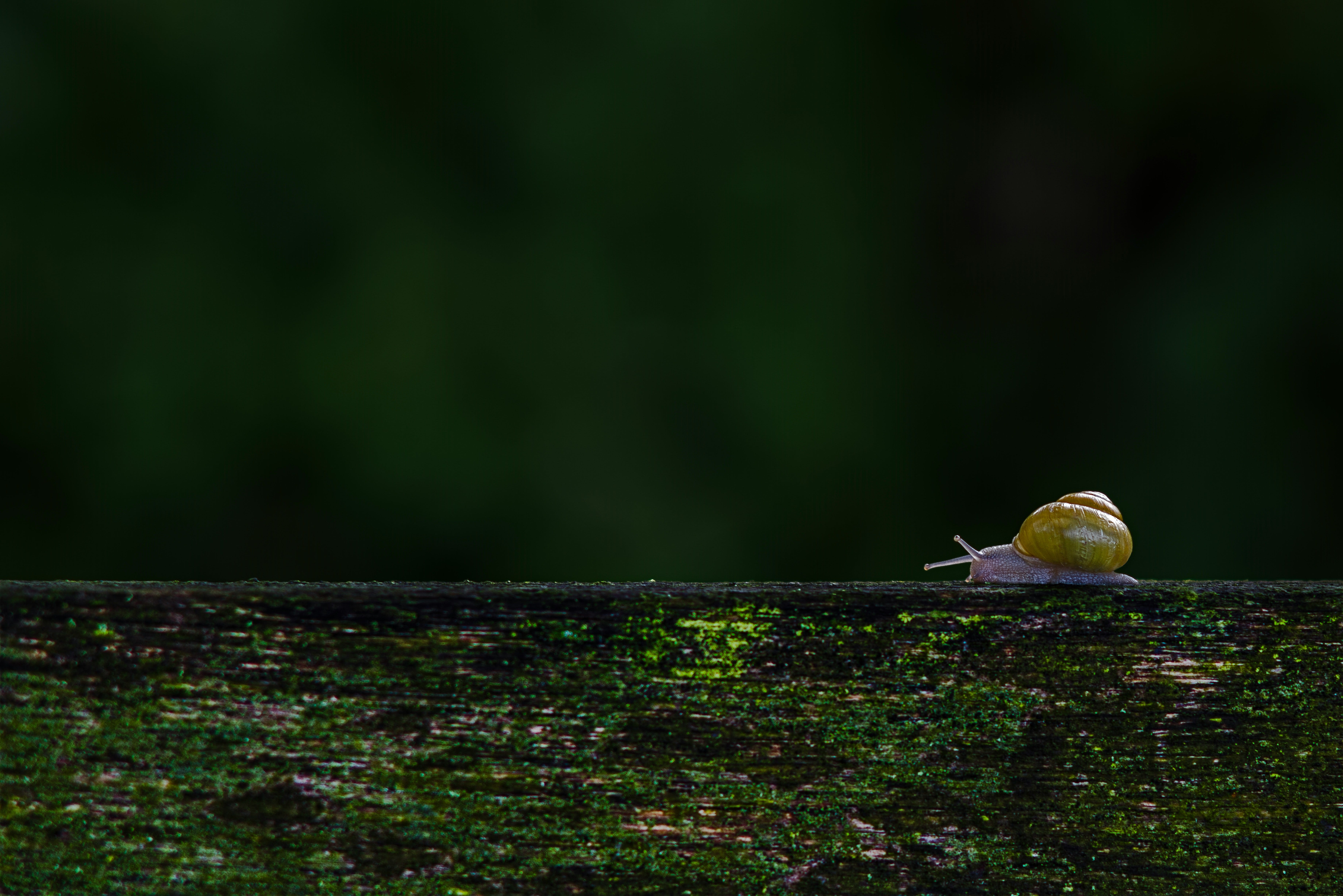
Reading didn’t help me keep up with the world. It helped me question why I thought I had to.
I still check LinkedIn now and then, though I’ve deleted my profiles from most other social platforms. A few updates, a video, a discussion thread, and I’m left wondering why I opened the app. My feed often warns that artificial intelligence and automation are changing everything, with urgent advice about what to do before it’s too late.
Then I’ll skim the headlines, usually at The New York Times. A new controversy or overseas conflict can fill the page, followed by a run of commentary about what it means. The stories change; the alarmed pace feels familiar. After a few minutes, I remember Nassim Taleb’s observation that many journalists are “entertainers,” close the browser, and return to the parts of my day that don’t demand an instant reaction: a book, coffee with my wife, a walk, and writing.
That routine grew out of a decision to stop living as if everything were an emergency. For much of a decade, I had been caught in that habit. It was tiring, and the steady stream of urgent predictions made it harder to think clearly about what could actually be known. After years of watching familiar patterns return, I began to accept that much of what people fear never happens, while plenty of what they might want to anticipate can’t be predicted.
Trading the screen for pages
A few years ago, I decided to see what would happen if I slowed down. Would I fall behind? I couldn’t say. But I knew I was worn out by a constant sense that disaster was just around the corner. If the sky was always supposed to be falling, why did it still look blue when I went outside?
I began with my phone. I gave my iPhone to my stepdaughter, switched to a basic phone plan, and left the device off for six weeks. The break felt good, like a detox, but removing a source of distraction didn’t automatically add anything nourishing to my days. I needed something to fill that space.
So I started reading physical books again, without a screen or narrator between me and the page. At first, my attention was thin. After a few pages, I’d feel the pull of YouTube or email. When that restlessness came, I sometimes went for a walk or sat on the porch watching birds. Then I’d return to the book, or pick up another one.
Gradually, I could stay with a book longer. Ten pages a day became twenty, then thirty. When I felt bored or curious, I began reaching for a book left around the house instead of a screen. Before long, I was reading several books at a time, in short stretches throughout the day.
It surprised me how much I could read when notifications weren’t breaking up my attention. It also surprised me how much I enjoyed the practice. Reading had once meant racing through self-help and business books to find a useful lesson. Now the point wasn’t to improve myself or extract a takeaway. It was to enjoy the writing, follow an idea, and spend time with another person’s mind.
I read history, novels, memoirs, classics, and more. The experience made the present feel less singular. People have wrestled with many of the same questions across generations, and societies have repeated familiar errors. I was struck by the long history of knowledge about the Earth’s shape: ancient Greeks understood it was round, and Indian thinkers knew this earlier still, yet Europeans in the Late Middle Ages were surprised by the possibility of sailing around the globe.
Old beliefs can be difficult to shake. Reading across time gave me a wider view of how often people have had to learn, forget, and learn again. It also made the demand for constant urgency feel less persuasive. Squeezing a few extra hours of work out of a Friday afternoon rarely seemed as important as it had before. Many deadlines can wait, and some matters deserve time for thought rather than an immediate response.
A case for deliberation
A friend captured the idea in a LinkedIn comment: “I don’t understand what we are doing societally if we’re opting for summaries instead of emails and/or books from creators we like. There’s more to life than speed.” That line stayed with me. Reading, for me, became a way to remember that a full life isn’t measured by how much activity can be packed into a day, a week, or a year.
Choosing to do less does mean missing things. It can mean telling my kids that we’re not filling a weekend with one exciting plan after another, then handing them a stack of books. But I’ve seen the value in leaving some space. Over time, the family has become less fidgety, and I’ve found more room to pay attention to what’s already here.
That change feels useful in a culture that often seems anxious and irritable. Zach Galifianakis, at the start of This is a Gardening Show, jokes that a garden could cure the human condition—or, in his deadpan aside, “acid.” I agree about the garden. There’s something sustaining about working with soil, seeing where food comes from, and eating what you’ve grown.
My own suggestion would be a book, perhaps read on a front porch with a view. Books ask us to follow sentences and ideas at the pace they require. They bring other ways of thinking into our own minds, in a way a quick succession of images and headlines can’t. They stretch patience and attention, and connect us to a long inheritance of reasoning and storytelling.
That connection can also make us more humble. Books place our lives in history and remind us that confidence about the future has a poor record. We don’t know what comes next, and reading makes clear that nobody else can be certain either. People have often been wrong about what lies ahead, even after years of trying to foresee it.
Books offer no guarantee that the world will become calmer or easier to understand. What they can offer is a steadier kind of attention: a place to sit with an argument, a character, or a thought without demanding an instant conclusion. They teach patience by asking for it, and make the scattered present feel more connected to what came before.
So when the next urgent story starts demanding all of my attention, I try to remember that stepping away is an option. I can take a walk, open a book, and watch the light change. There’s more to life than speed.